 Bettertap™
Technology
Carbon block vs. reverse osmosis: which clarifies your water?
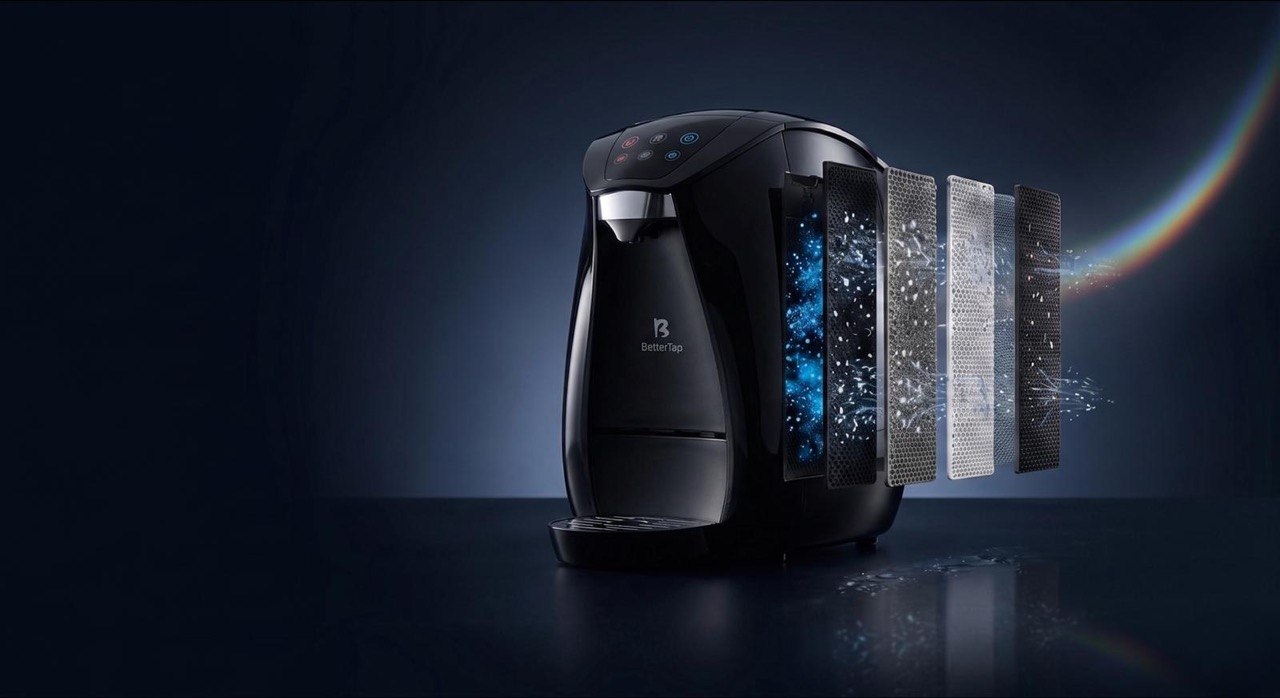
When you start shopping for a way to clarify your tap water, two names come up again and again: carbon block and reverse osmosis. They both aim for a cleaner, better-tasting glass, but they get there in very different ways. Knowing the difference helps you pick what actually fits your kitchen and your priorities.
How carbon block works
A carbon block is exactly what it sounds like — finely ground carbon pressed into a dense, solid form. As water moves through it, the carbon's enormous internal surface area grabs hold of unwanted molecules through a process called adsorption. Think of it as countless tiny landing pads that capture contaminants while letting clean water pass.
Carbon block is especially good at the things you can taste and smell:
- Chlorine and the flat, pool-like taste it leaves behind.
- Many organic compounds and odors.
- A range of contaminants when the block is engineered for them.
How reverse osmosis works
Reverse osmosis, or RO, takes a more forceful approach. It pushes water under pressure through a membrane so fine that only the smallest molecules slip through. The result is water stripped down to nearly nothing — which sounds impressive, until you realize it also removes the calcium, magnesium and potassium that give water its natural taste and benefits.
RO systems also tend to be larger, send a portion of water down the drain as wastewater, and often run slowly.
Where Better Tap lands
Better Tap's MAZE filtration is built around an advanced carbon block path that reduces a range of contaminants while deliberately keeping the healthy minerals in your water. You clarify what you don't want without flattening what makes water taste like water. It is certified by NSF/ANSI 42, 53, 401, and 55 Class B, so the performance is independently verified — clean water that still tastes alive.
Keep reading