 Bettertap™
Water 101
Lead and older pipes: what every homeowner should know
Lead is one of the few contaminants where experts agree there is no amount worth welcoming into a glass of drinking water, and the concern is greatest for infants and young children. The good news is that lead rarely starts at the treatment plant. Understanding where it does come from is the first step to keeping it out of your home's water.
The plant isn't usually the problem
Modern utilities treat and disinfect water carefully before it leaves the facility. Lead tends to join the journey afterward, on the trip between the street and your faucet. That means the age of the pipes serving your home matters far more than the source water itself.
Where lead actually enters
Lead generally comes from the plumbing, not the water. The usual suspects are:
- Older lead service lines connecting the water main to the home.
- Lead solder used to join copper pipes in homes built decades ago.
- Older brass faucets and fixtures that can contain small amounts of lead.
Because lead has no taste, color or smell, you cannot judge it by looking at or sipping the water. Water that sits still in those pipes overnight has more time to pick up traces.
Sensible steps a homeowner can take
A few simple habits help. If the cold tap has not been used for several hours, let it run for a short while before drinking or cooking. Use cold water for drinking and food, since hot water can carry more lead. And consider having your water tested if your home is older or you are unsure about your service line.
Where filtration fits
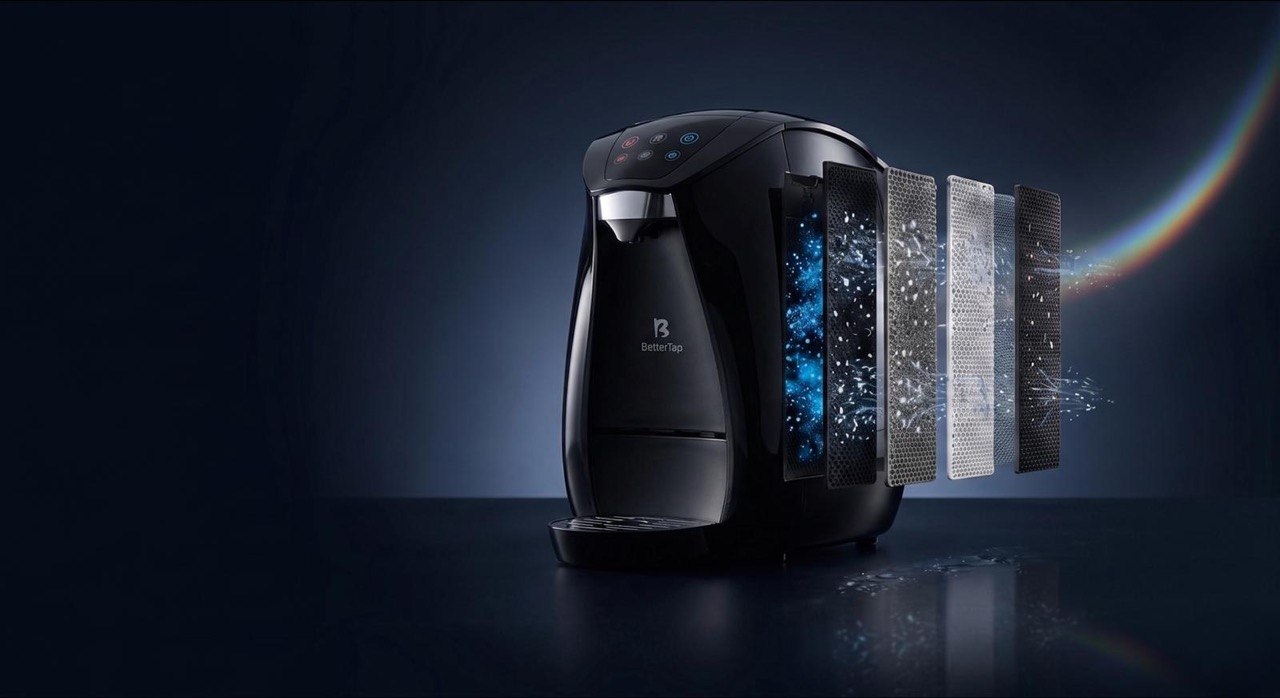
Point-of-use filtration adds a reliable last line of defense at the faucet you actually drink from. Better Tap's MAZE filtration reduces a range of contaminants, including lead, while keeping the healthy minerals — calcium, magnesium and potassium — in place. It is certified by NSF/ANSI 42, 53, 401, and 55 Class B, so the claims are independently verified rather than just stated.
Keep reading